The Necessity of Correct Ventilation in Home Plumbing Systems
Top ArticleWhat're your beliefs on Essential Plumbing Vent Pipes: Understanding Their Role?
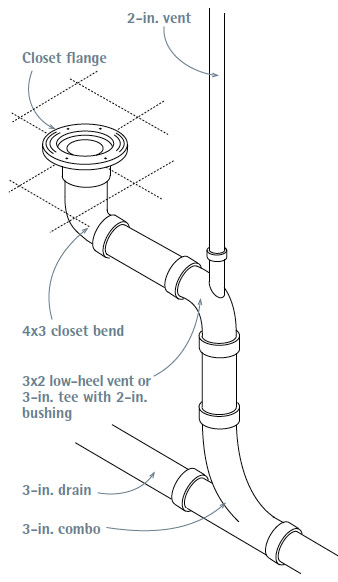
Proper air flow in plumbing systems is usually ignored, yet it is vital for maintaining the performance and safety of your home's plumbing. Air flow helps regulate air pressure, prevent the buildup of damaging gases, and guarantee the reliable elimination of waste. In this guide, we will check out the value of correct pipes air flow, just how it functions, and the benefits it brings to your pipes system.
Exactly How Air Flow Works in Pipes Equipments
Air Pressure Guideline
Proper air flow maintains well balanced air pressure within the pipes system. When water flows with pipelines, it displaces air. Without sufficient air flow, this variation can create negative stress, leading to slow down drains pipes or siphoning of water from catches, which can create unpleasant smells to seep into the home.
Stopping Sewage System Gas Buildup
One of one of the most crucial functions of plumbing vents is to avoid drain gases, such as methane and hydrogen sulfide, from collecting within the home. These gases can posture major health and wellness threats and are very combustible. Vent pipelines permit these gases to get away securely outside.
Aiding in Waste Removal
Ventilation aids in the effective removal of wastewater by stopping airlocks in the drainage system. When air can flow openly through the vents, it permits water and waste to move efficiently with the pipes, minimizing the risk of blockages and backups.
Benefits of Proper Air Flow
Boosted System Performance
Properly aerated plumbing systems run much more successfully, with fewer obstructions, faster draining, and less pressure on the pipes. This effectiveness prolongs the life-span of the plumbing system.
Improved Air Top Quality
By stopping sewage system gases from entering your home, correct ventilation adds to much better interior air top quality, making your living environment healthier and a lot more comfy.
Preventing Water Damages
Ample ventilation helps prevent water from being siphoned out of traps, which can lead to sewage system gases getting in the home and creating water damages in time.
Steps to Guarantee Proper Ventilation
Consulting Pipes Codes
Always seek advice from regional pipes codes when developing or modifying your pipes system. These codes offer the essential guidelines for proper venting and ensure your system fulfills safety criteria.
Routine Inspection and Upkeep
Normal evaluations can aid identify prospective ventilation concerns prior to they become major issues. Maintenance jobs, such as cleaning up air vent pipelines and checking for clogs, are essential for maintaining the system in good working order.
Specialist Installment
For brand-new installations or major modifications, it's important to hire a professional plumbing technician. They have the know-how to ensure the air flow system is correctly created and installed according to code.
Comprehending Ventilation in Pipes
Ventilation in pipes describes the network of pipes that enable air to stream through the water drainage system. These vents offer numerous purposes, including managing atmospheric pressure within the pipelines, preventing drain gases from going into the home, and assisting in the smooth circulation of wastewater.
Sorts Of Plumbing Vents
Main Stack Vent
The major stack air vent, likewise called the air vent pile, is the primary vent in a pipes system. It extends from the major drain line up via the roof, permitting gases to get away and fresh air to get in the system.
Branch Vent
Branch vents connect to the primary stack vent and serve private components, such as sinks, commodes, and showers. These vents ensure that each fixture has appropriate air flow to operate properly.
Air Admittance Valve (AAV).
An Air Admittance Valve (AAV) is a one-way valve that permits air to get in the pipes system without the demand for a typical air vent pipeline extending through the roofing system. AAVs are frequently utilized in remodellings or locations where setting up a standard vent is impractical.
Indicators of Poor Air Flow in Pipes.
Slow Draining Fixtures.
If your sinks, bathtubs, or toilets are draining pipes gradually, maybe an indication of inadequate ventilation. Poor air flow can develop a vacuum cleaner effect, making it hard for water to drain effectively.
Gurgling Seems.
Gurgling audios originating from drains pipes are typically an outcome of air being sucked with water catches as a result of unfavorable stress in the pipelines. This is a clear indication of insufficient ventilation.
Unpleasant Smells.
Sewage system odors inside your home are a red flag that your plumbing system is not effectively ventilated. This might mean that drain gases are not being properly aired vent outside, resulting in possibly dangerous problems.
Typical Ventilation Errors.
Poor Vent Sizing.
Making use of undersized vent pipelines can result in poor air circulation and stress discrepancies in the system. It's vital to utilize vents that meet the details needs of your pipes system.
Improper Vent Positioning.
Placing vents too far from the components they serve can minimize their effectiveness. Correct positioning makes certain that air can move easily and efficiently via the system.
Disregarding Code Requirements.
Building ordinance provide details standards for pipes ventilation. Disregarding these codes can lead to a system that fails to function appropriately and may lead to costly repairs or carcinogen.
Conclusion.
Correct air flow is an important part of any type of plumbing system, making sure that it operates efficiently and securely. By comprehending the value of ventilation, recognizing the indicators of bad air flow, and taking steps to preserve your system, you can stop pricey concerns and shield your home's air quality.
4 Things You Should Know About Your Plumbing Vents
What Plumbing Vents Are
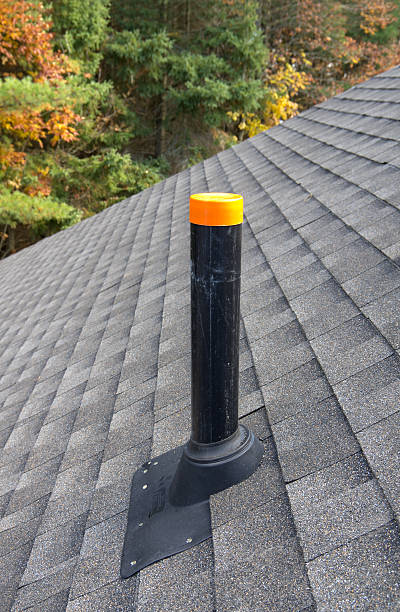
Also called a vent stack, a plumbing vent is a vertical pipe attached to your drain line that runs through your roof. The plumbing vent pipe, or plumbing air vent, removes gas and odors from your plumbing system and allows fresh air to enter the pipes, helping the water to flow out of the drain pipes.
What Plumbing Vents Do
Plumbing vents have two basic functions. One of which is to allow unpleasant smelling wastewater and sewer gasses to escape your plumbing system instead of entering your home. Plumbing vent pipes are typically located on roofs, away from windows, to ensure the fumes exit the home completely.
The other function of the plumbing vent is to move fresh air into your plumbing system. This helps move water through every plumbing fixture in your house, like toilets and sink drains. Think of the way in which you need to let a little air into the bottle as you pour soda in order to make the drink flow smoothly.
Different Types of Plumbing Vents
True vent: This is the most common vent option. In simplest terms, a true vent is a vertical pipe attached to your drain line that exits through the roof. They often function as the main vent that other fixtures can connect to. Re-vent pipe or auxiliary vent: Attached to the drain line near specific plumbing fixtures, re-vent pipes run up and over to connect to the main vent. Common vent: Two plumbing fixtures installed on opposite sides of a wall are typically tied into the vent stack using something known as a sanitary cross. Wet vent: This venting option operates as a drain pipe and a vent at the same time. Wet vent drainage systems drain water from one fixture while venting the air from another. Although they’ve been used for over 100 years, wet vent systems have only recently been added to the plumbing code in many areas. If you’re planning on installing one in a bathroom remodel, make sure you check your local code prior to construction. Loop vent: For free-standing fixtures like kitchen island sinks, loop vents are ideal. These vent pipes run under the floor, rise from the P-trap, and create a loop inside the cabinet sink. Air admittance valve: An AAV is a one-way mechanical valve typically installed at the site of the plumbing fixture. AAVs allow venting to occur without having to tie into a larger venting system. They’re ideal for venting fixtures where you aren’t able to easily connect to an existing vent system. Common Plumbing Vent Issues
Although vent pipes typically don’t have water flowing through them, they’re still subject to many typical plumbing issues. For example, clogs are one of the most common problems associated with sewer vent pipes. If your vent pipe gets clogged, all of your plumbing fixtures tied into the vent stack will be affected.
A sink with a slow drain that bubbles and gurgles or a strong sewage smell around your toilet are both indicators that your toilet vent pipe is clogged. Because most vent pipes exit through the roof, old leaves, twigs or even a bird’s nest could be clogging the pipe.
Clogs in your vent pipe system cause a buildup of negative pressure, meaning that water won’t be able to flow out of your home very well. It’s similar to putting your finger over the opening of a straw to trap water inside. When you remove your finger, the water is able to flow out of the straw.
If you suspect you have any blockage in your vent, make sure you have a professional come examine the situation. Left unchecked, a blocked air vent can lead to other costly repairs, like leaks and sediment buildup.
Under Pressure
Pipe vents are essential aspects of a home’s plumbing system. Owning a home means learning about all sorts of things you never put much thought into before. But by understanding as much as you can about the important systems of your home, you can keep those budgets intact and those anxiety levels low.
https://www.homeserve.com/en-us/blog/home-improvement/plumbing-vents/
As an enthusiastic person who reads on What Is A Plumbing Vent & How Do They Work?, I assumed sharing that piece of content was a great idea. Those who enjoyed our page please be sure to pass it around. Thanks a bunch for your time. Don't forget to check up our blog back soon.
Contact Us Now